

In a Nutshell
This course focuses on simplifying one of the hardest parts of watercolor portraiture—skin tone creation. Through guided demonstrations, the instructor breaks down mixing, glazing, and layering into manageable steps, helping learners build depth, softness, and realism in facial features. It’s a practical, process-driven class designed to make portrait painting feel less intimidating and more intuitive.
Who is this Course For?
- Beginners in watercolor — learns foundational blending and control techniques
- Intermediate artists — refines portrait shading and realism
- Self-taught painters — looking to structure their portrait workflow
- Hobby artists — wanting realistic skin tone results without complexity overload
What you will Learn
- Mixing limited palettes for natural-looking skin tones
- Wet-on-wet and wet-on-dry watercolor control techniques
- Layering and glazing for depth and softness
- Building facial structure through light and shadow
- Avoiding muddy colors in portrait painting
- Step-by-step portrait construction from base wash to final details
About the Course
This class is structured around a single goal: helping you understand how skin tones are built in watercolor without overwhelming you with theory. Instead of jumping into complex color systems, the instructor demonstrates how a small set of paints can be transformed into a wide range of natural skin variations through careful layering.
One of the strongest parts of the course is how it emphasizes patience with transparency. Each layer is treated as a step in building realism rather than rushing toward a finished look. You’ll see how initial washes often look too flat or even “wrong,” but gradually develop into soft gradients that resemble real skin through glazing.
The demonstrations also focus heavily on controlling moisture—arguably the most difficult part of watercolor. You’re shown how wet surfaces create soft transitions in facial shading, while drier applications help define structure like eyes, nose, and lips. This balance helps avoid overworking the paper, which is a common struggle for learners.
Another helpful aspect is the repetition of core techniques across the portrait process. Instead of introducing too many methods, the course reinforces a few key ideas—mixing, layering, and correcting tones—so you actually internalize them. By the end, you get a clear sense of how a portrait “emerges” gradually rather than being painted all at once.
Overall, the course is less about artistic theory and more about building confidence through process visibility, which makes it especially useful if you’ve struggled with uncontrolled color or muddy results before.
The Instructor
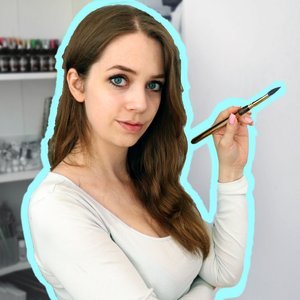
Tanja Jensen – Professional artist from Denmark specializing in sculpture, drawing, and painting. She works across multiple mediums including watercolor, gouache, acrylic, graphite, and airbrush. Her teaching style focuses on approachable techniques for building realism, especially in portrait and food-themed artwork.
Conclusion
This course is a strong fit for anyone wanting to make watercolor portraits feel more approachable and less unpredictable. It’s especially helpful for beginners and intermediate learners who struggle with skin tone realism or blending control. If your goal is to understand how watercolor builds form gradually, this class delivers that clearly and gently.
The Art of Painting Real Skin Tones in Watercolor Portraits
Skin mixing, glazing control, portrait shading


